Paid-members only factors-of-safety Single-point aerial rigging: the forces on each element, using 1:1 and 3:1 pulley systems
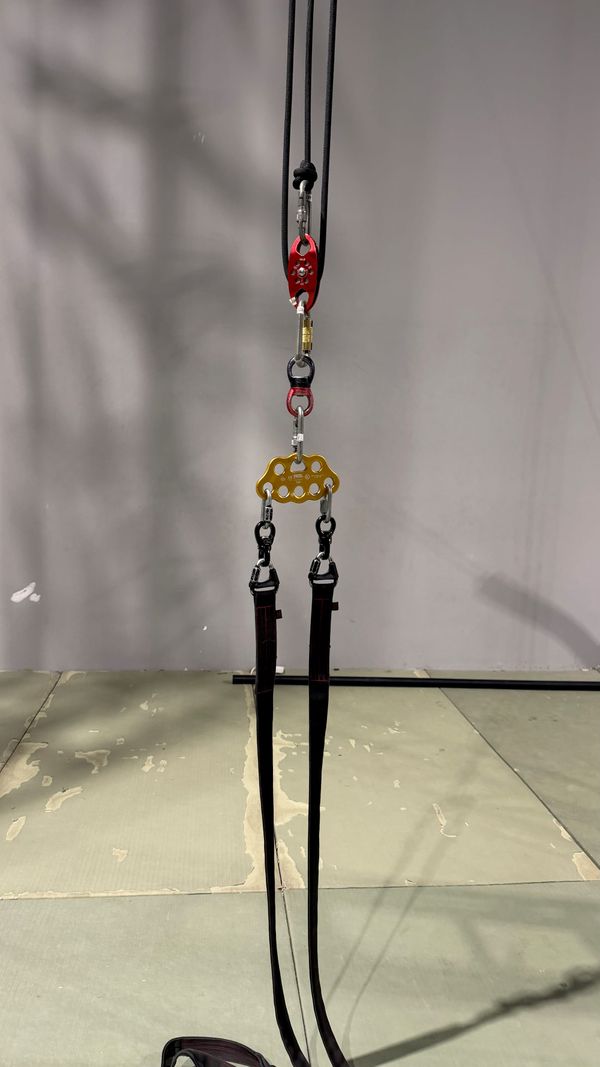
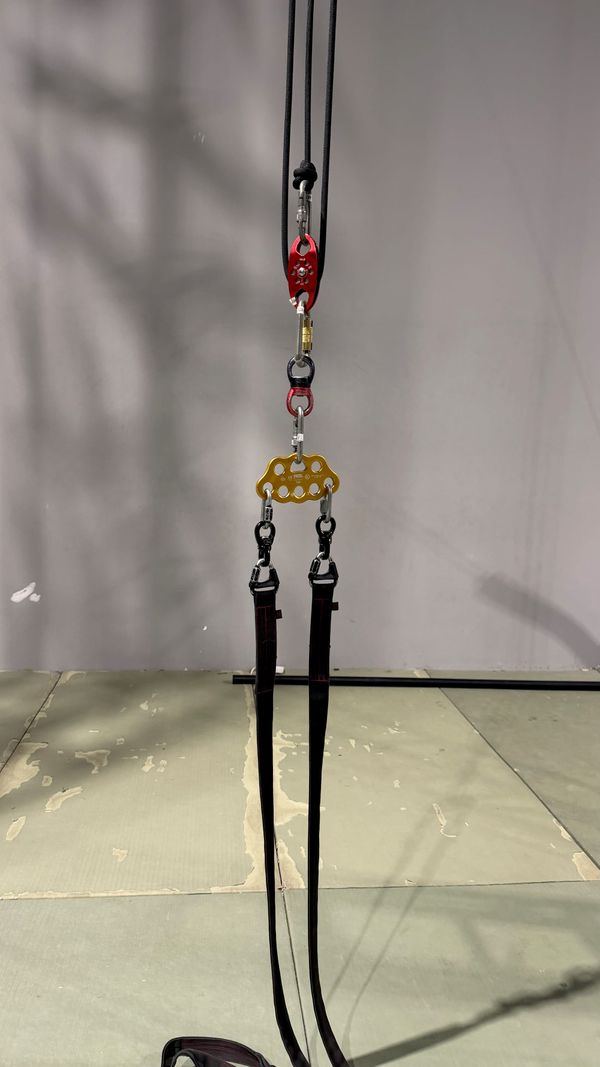
Single-point aerial rigging: the two pulley systems, and what is safe with each This article explains what happens when we hang aerial apparatus from a pulley system. This is a very common set up, however there are constraints to this method that you should be aware of. For many silks, hoop or trapeze acts, the apparatus is hung from a point overhead supported
Where the breaking load number actually comes from This article explains where the Minimum Breaking Load (MBL) on a rope or piece of hardware comes from. The number is not the force at which one sample happened to snap. It is worked out from a set of break tests using a method called three-sigma, and this is
Is IRATA worth it for circus riggers? This article sets out what IRATA training is, what each of its levels teaches, and where it does and does not help a circus rigger. It will not make you a rigger or tell you whether to book a course; the aim is to give you a clear picture of
training IPAF and powered access This article sets out what IPAF training is, what the PAL Card scheme certifies, and where powered access fits in circus rigging. If you have looked into working at height, IPAF comes up often in the requirements on operating a scissor lift or a cherry picker. It is the training
Rigging course updates and using rigging harnesses on truss The site has undergone quite a few updates over the last few weeks. We now have 9 lessons available for the Rigging for Circus Arts online course and 2 appendices. * Lesson 1: An Introduction to Circus Rigging * Lesson 2: Forces & Factors of Safety * Lesson 3: Calculating Factors of Safety
newsletter Online course launch and more from Marion Cossin Online training It's taken me a while to launch the first two lessons on our online rigging theory course. We've reshot and remade the content a couple of times as we decided to include video footage from Aerial Edge's rigging course in Glasgow in
course Lesson 1: An Introduction to Circus Rigging Lesson Duration: 5 minutes. This lesson is a short introduction to our circus rigging course and the subjects it covers.
newsletter Riggers event this Friday, plus a new training article What we've been up to... This month we've been building out our rigging training content by recording the 5-day rigging course at Aerial Edge so you can experience it online. We'll be publishing the first modules from our course in the next few
training IRATA Training It can be challenging to make a living from rigging purely in the circus world because there’s a limited number of places to rig. One way to open new income opportunities is to become qualified in rope access, which in any case is useful in circus situations too. The
Learning in 2023 Welcome to all the new members who have joined us over the last month or two, and a happy new year to everybody. Over the last two years, we've evolved the focus from our Rigging@Home series of videos and articles to topics of more interest to circus